




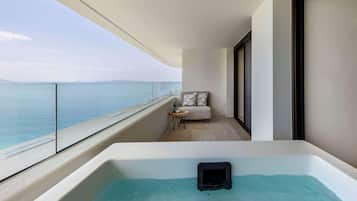

Discover top Kineta attractions
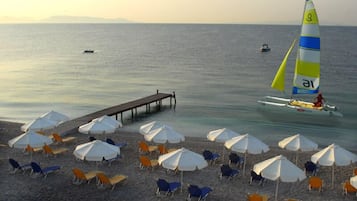
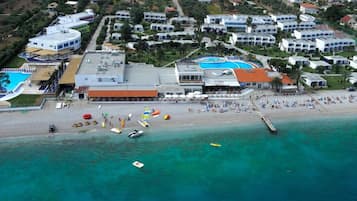
Kineta, a charming coastal village in Greece, offers a delightful mix of relaxation and adventure for families seeking all-inclusive hotel experiences. Begin your day at the beautiful Kineta Beach, where you can enjoy sunbathing on golden sands or engaging in water sports like kayaking and paddleboarding, often included in all-inclusive packages. Take a leisurely stroll to the nearby archaeological site of Ancient Corinth, where the echoes of history come alive through its well-preserved ruins and fascinating museum, perfect for curious minds. For a taste of local culture, join a cooking class that many resorts offer, allowing you to whip up traditional Greek dishes using fresh ingredients, all part of your culinary exploration. Nature lovers will appreciate the scenic hiking trails in the surrounding hills, where guided tours may be available through your hotel, showcasing the region's stunning vistas. After a day of activities, unwind at your all-inclusive resort with a lavish buffet featuring Mediterranean delicacies, refreshing cocktails, and perhaps a themed dinner night that highlights local flavours. Experience attentive service and family-friendly amenities, ensuring both relaxation and adventure are seamlessly woven into your stay.
