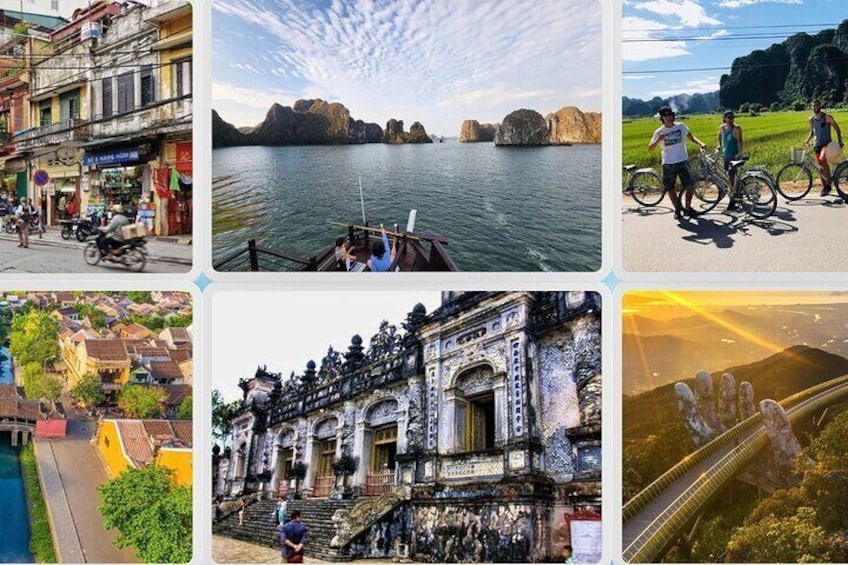


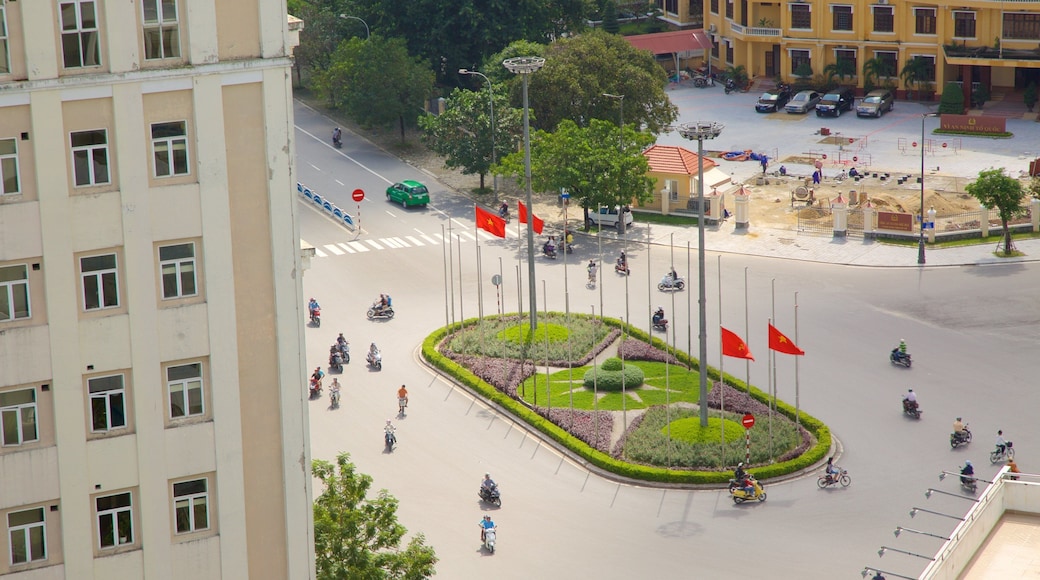
Explore the fortresses and palaces, lake-side tombs, boulevards lined with stunning flame trees and the acclaimed royal cuisine of this historic Vietnamese city.
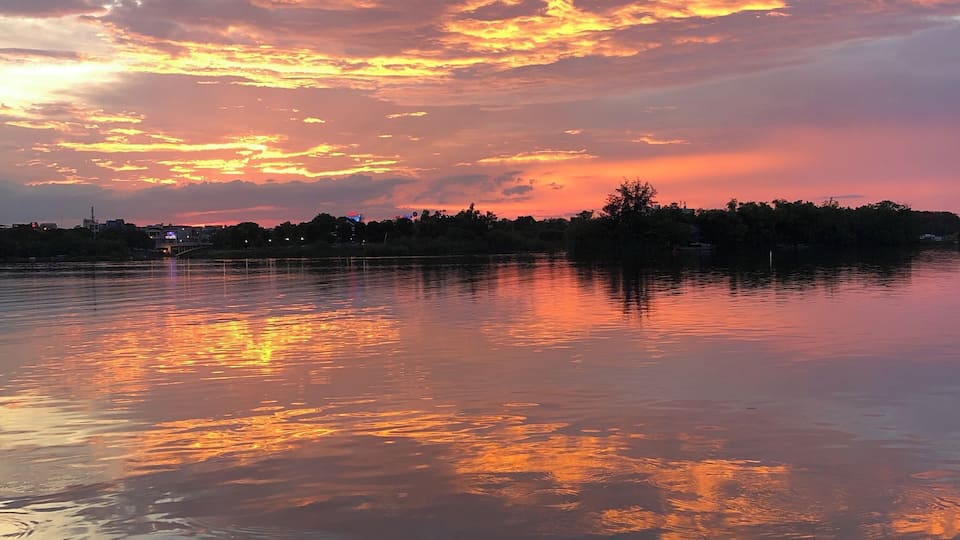
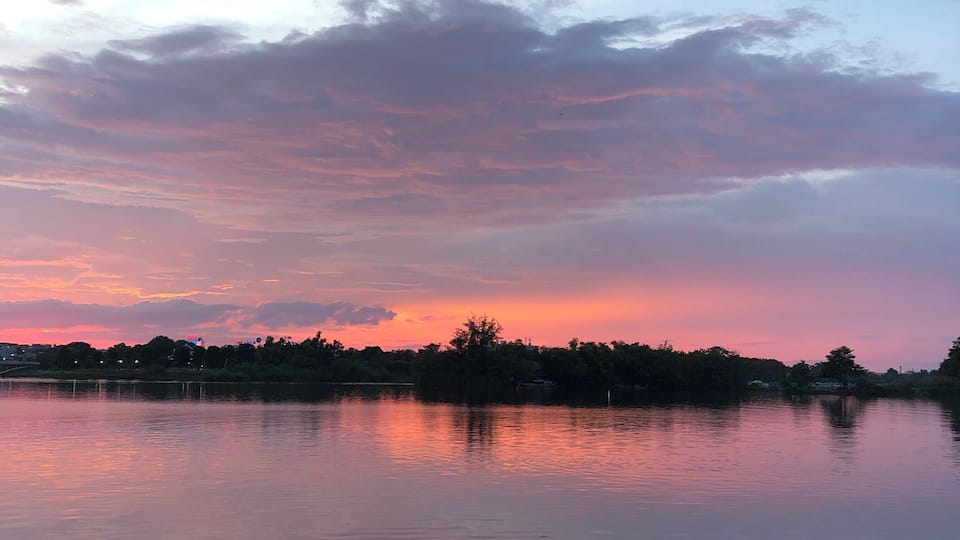
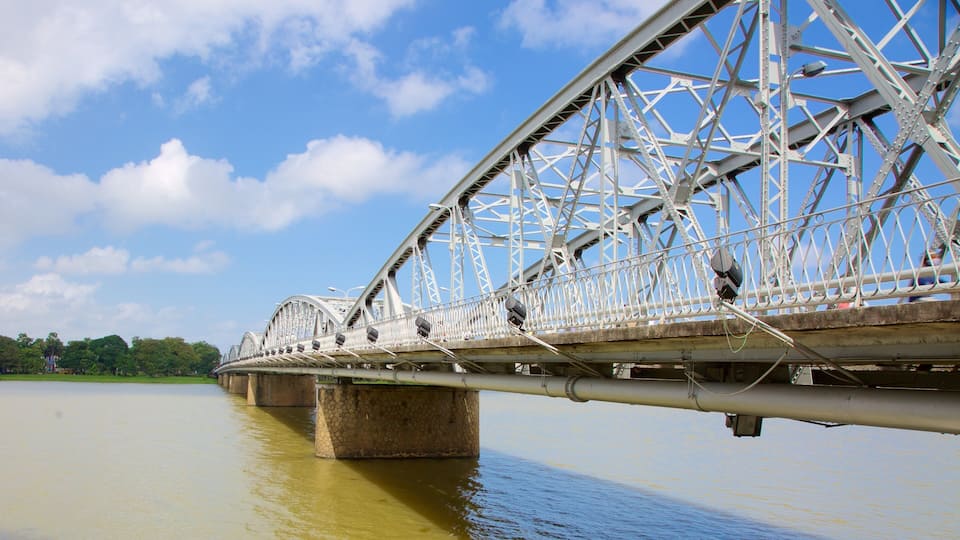
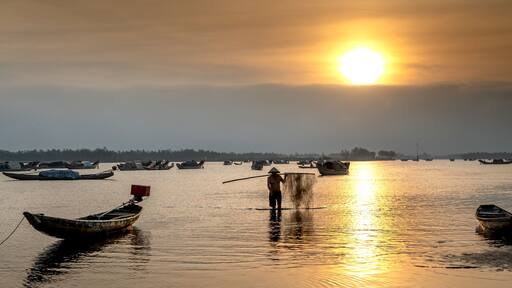
Set on the picturesque Perfume River, the ancient city of Hue is a dramatic monument to ages past, both triumphant and tragic. Come to this historic capital, now a UNESCO World Heritage Site, to wander tranquil tree-lined boulevards, visit stately tombs and experience one of Vietnam’s most acclaimed culinary traditions.
Hue rose to prominence as the capital of the Nguyen Dynasty, which ruled over a united Vietnam from 1802 to 1945. The city suffered damage during the First Indochina War and was devastated during the war with America. Reconstruction has been ongoing ever since.
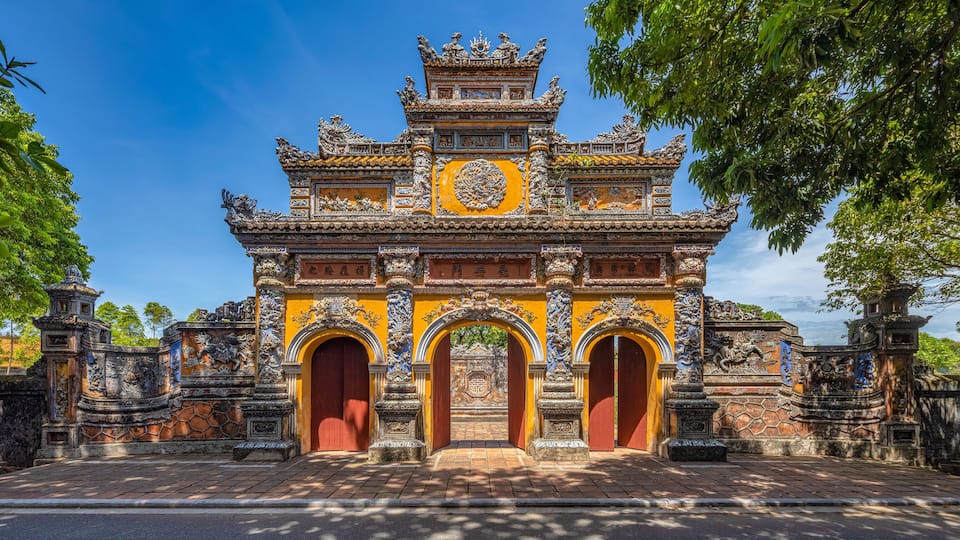
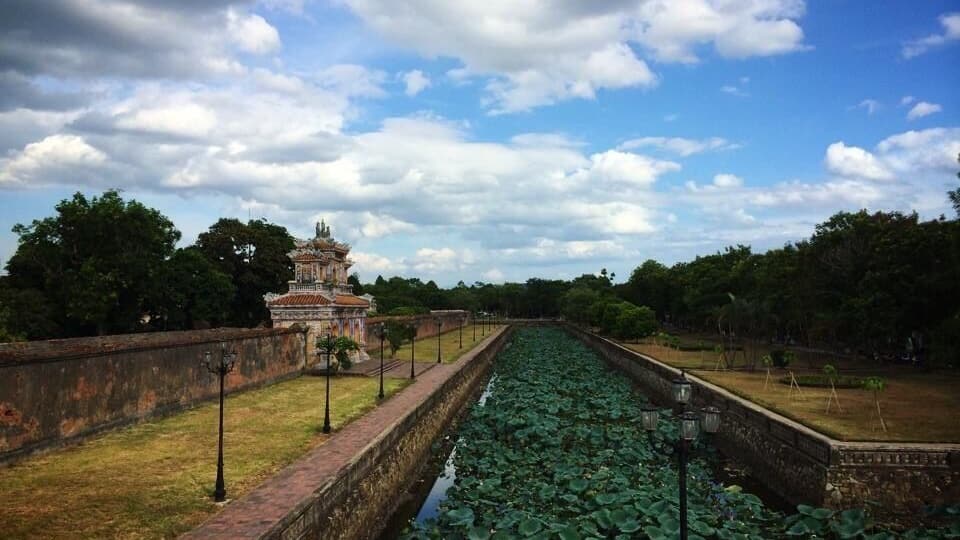
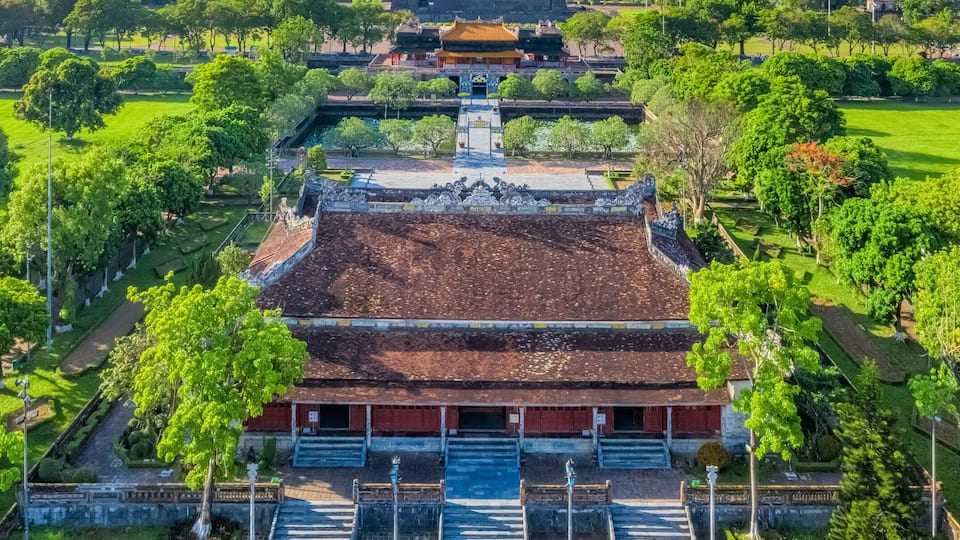
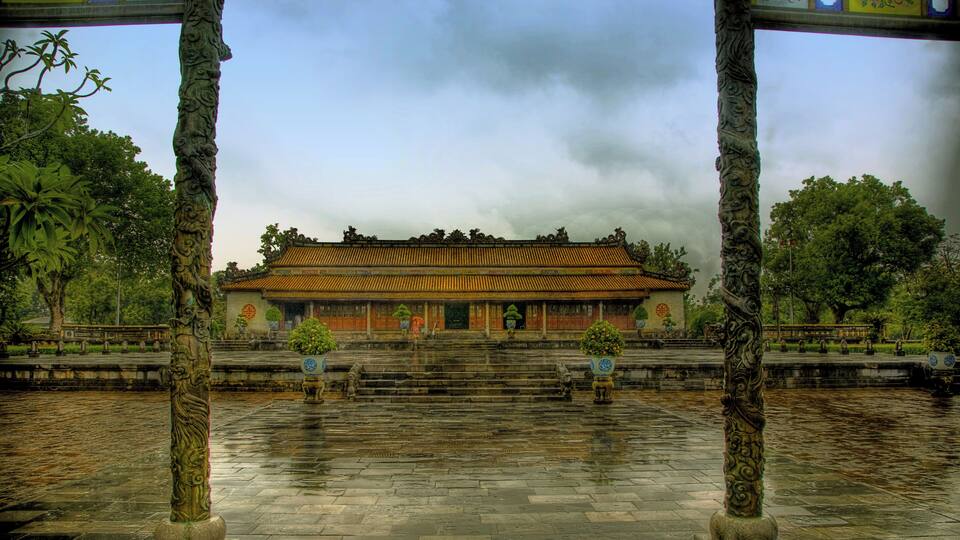
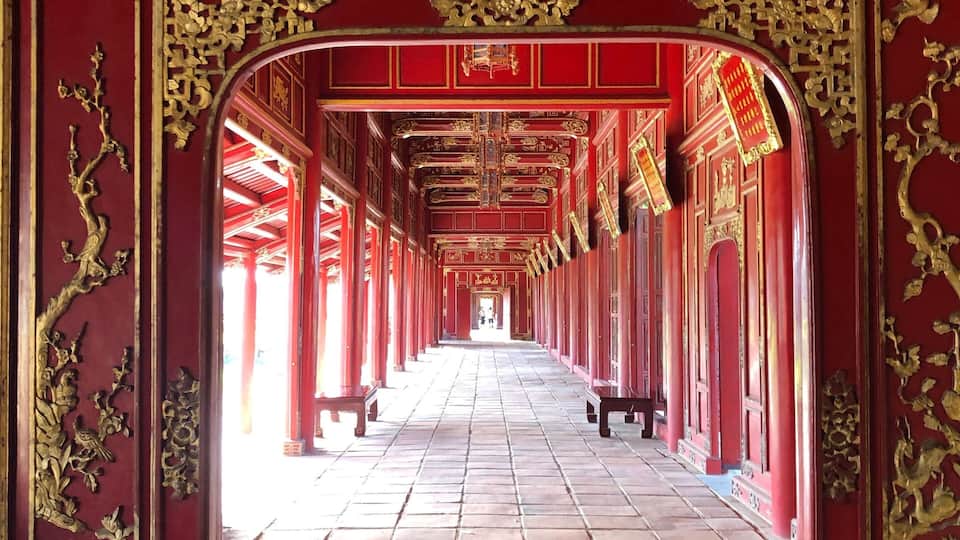
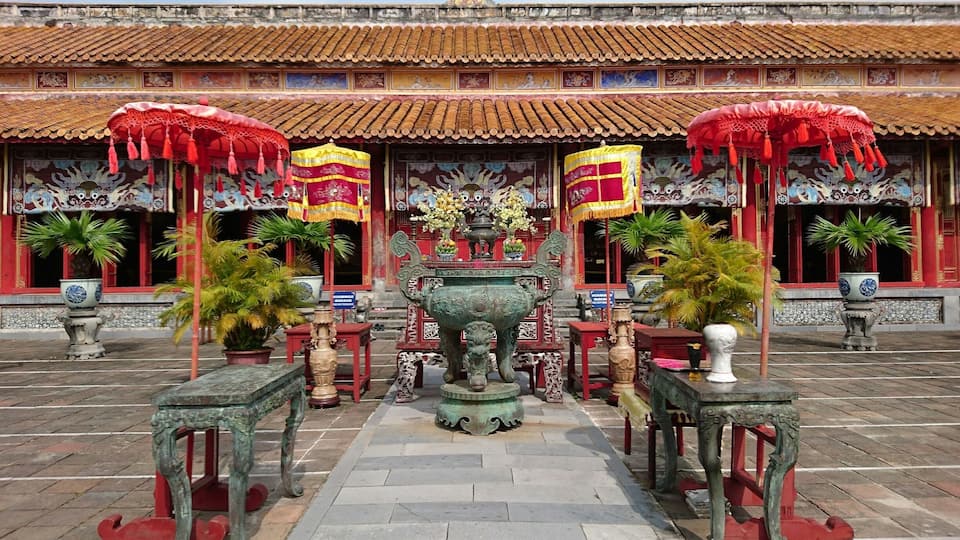
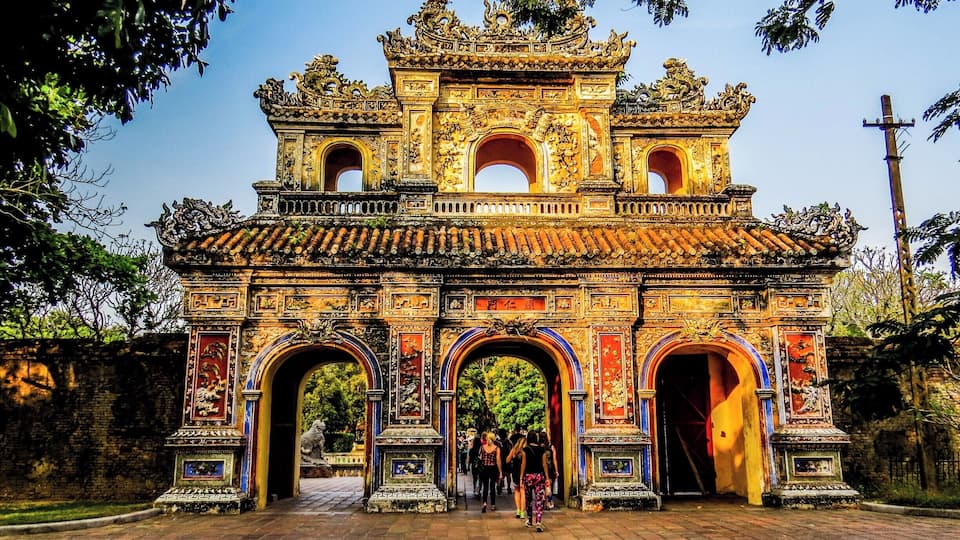
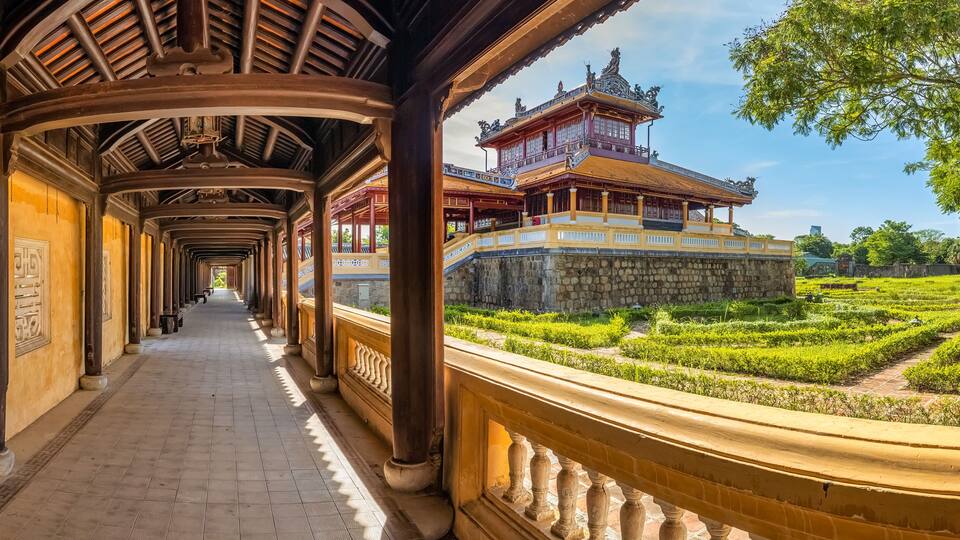
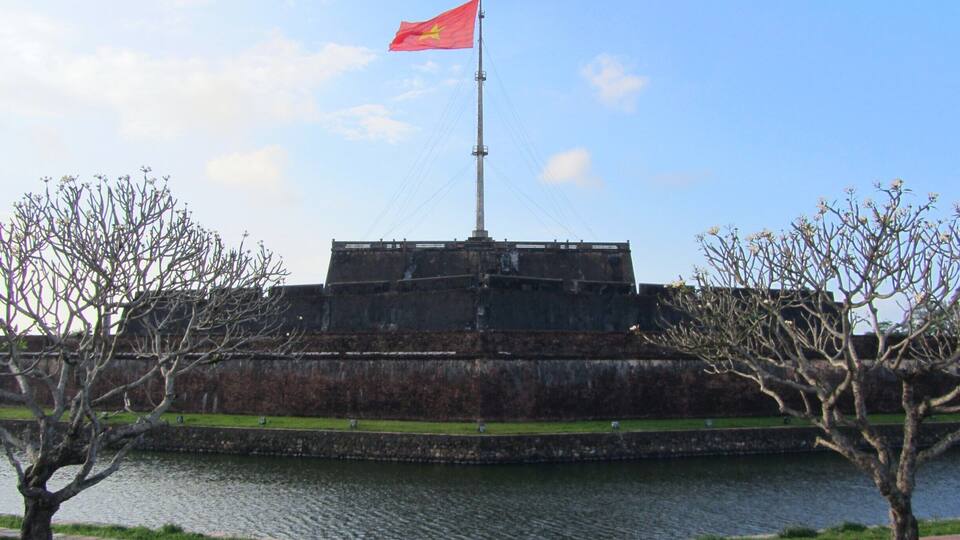
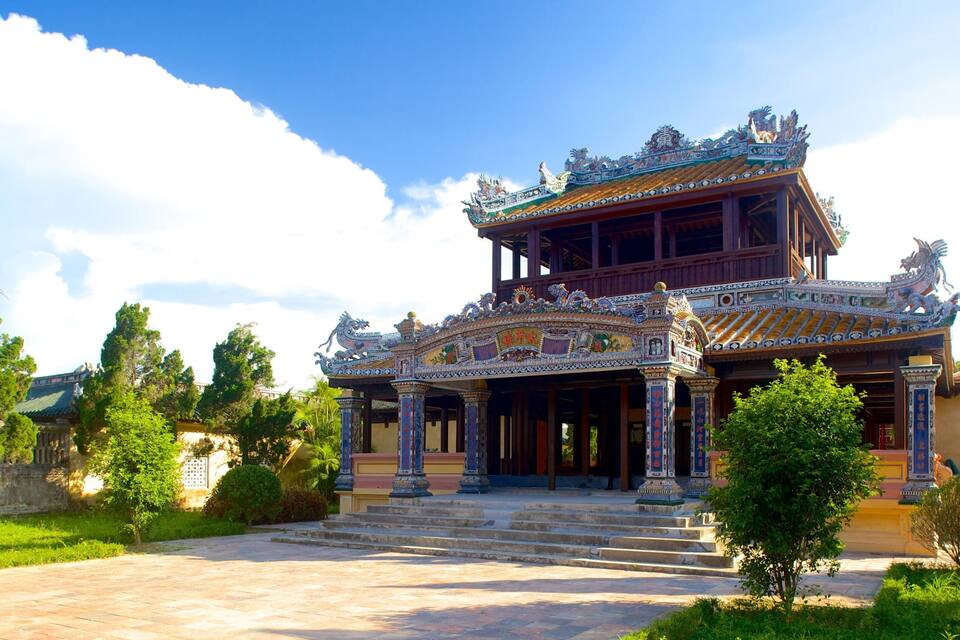
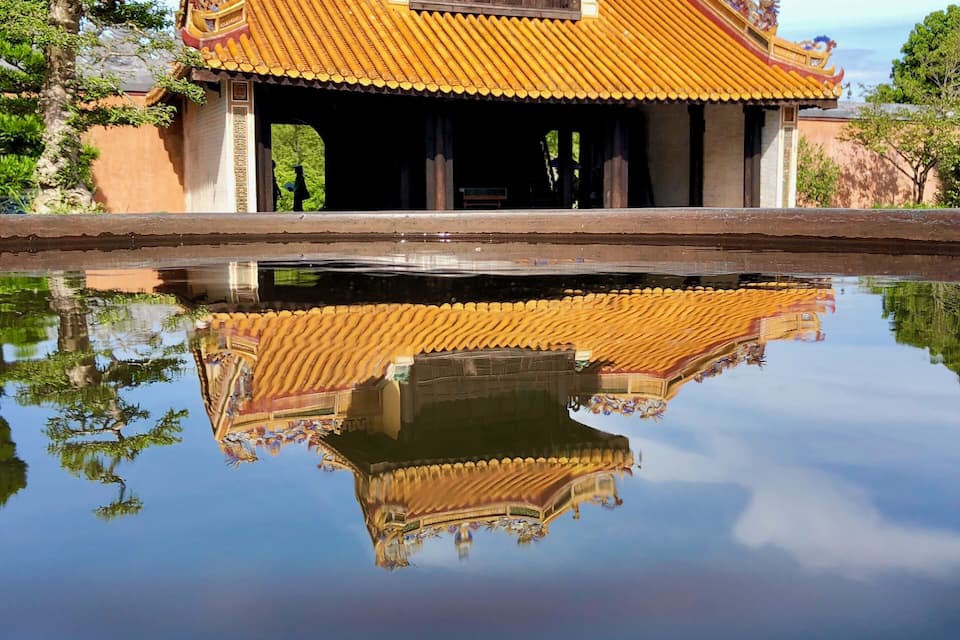
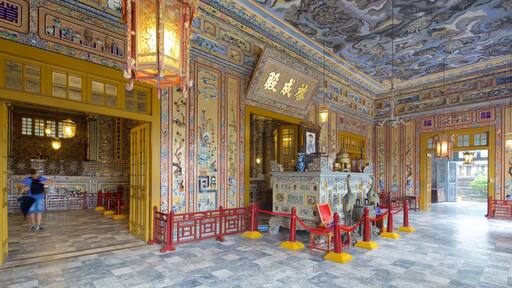
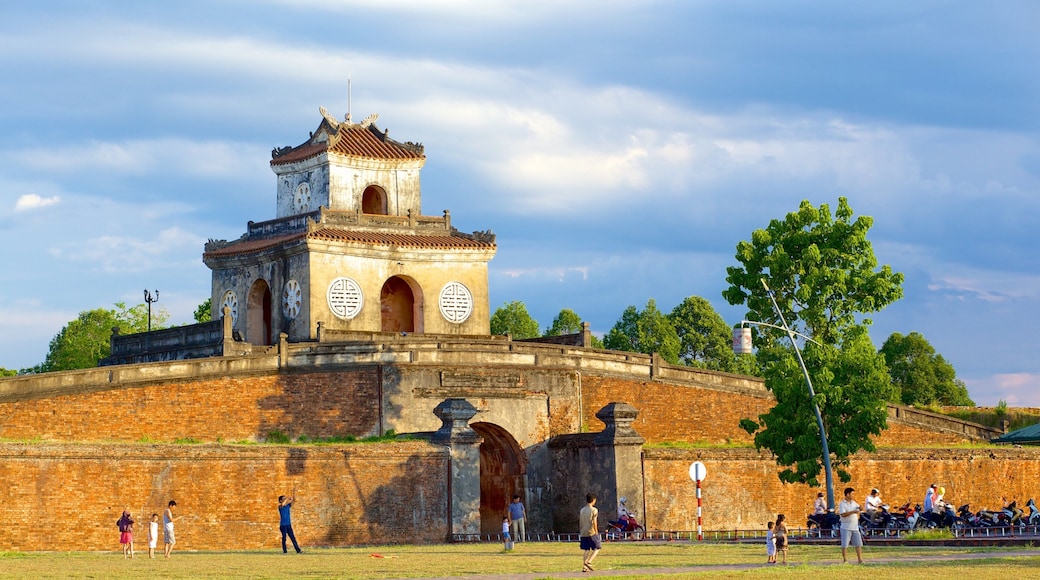
The north side of the river is dominated by the Imperial City (Kinh Thanh Hue), a complex encircled by 10 kilometres (6.2 miles) of wall and moat. Stroll around this tranquil area and admire the elegant architecture of the Nguyen Dynasty. Step into the Imperial Enclosure, and explore the various temples, residences, ruins and gardens. At the heart of the enclosure you will find the ruins of the Forbidden Purple City.
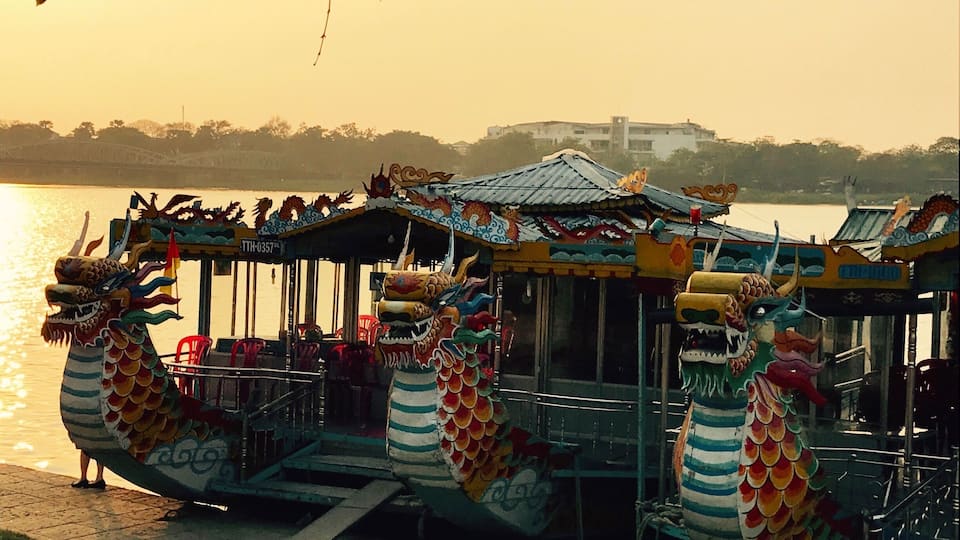
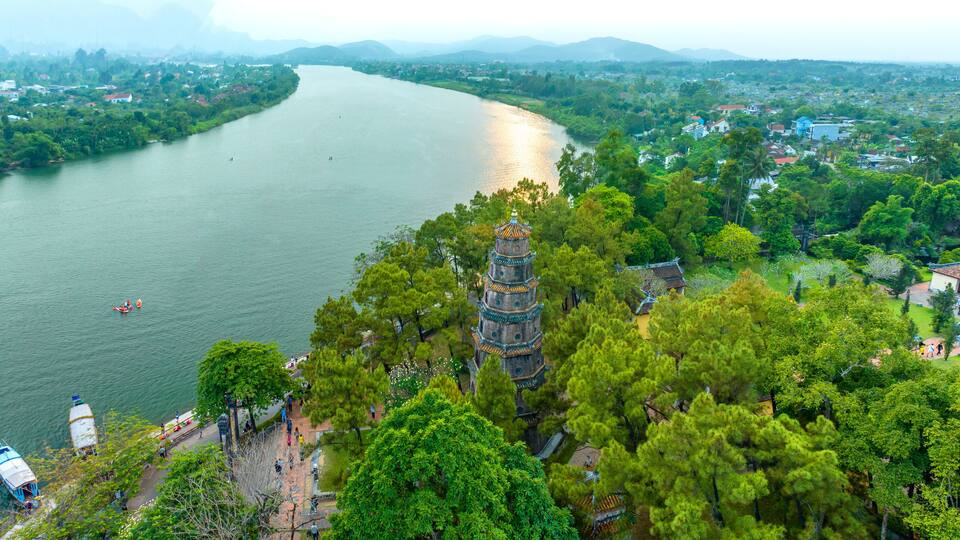
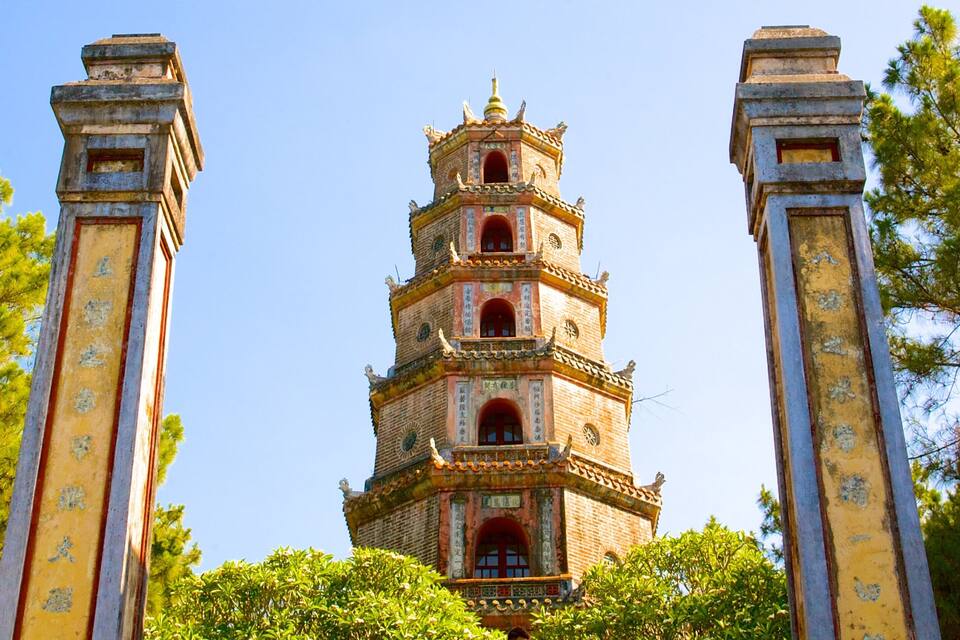
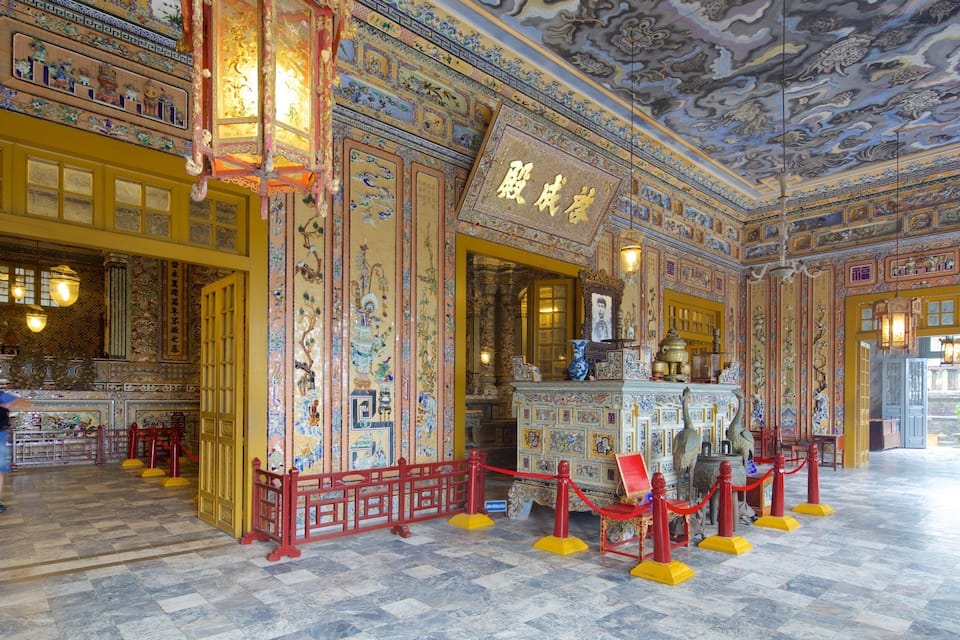
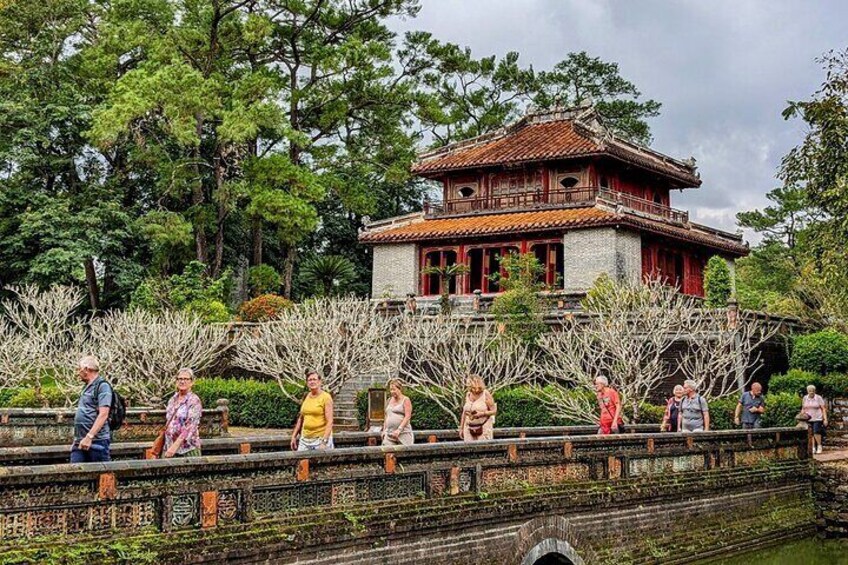
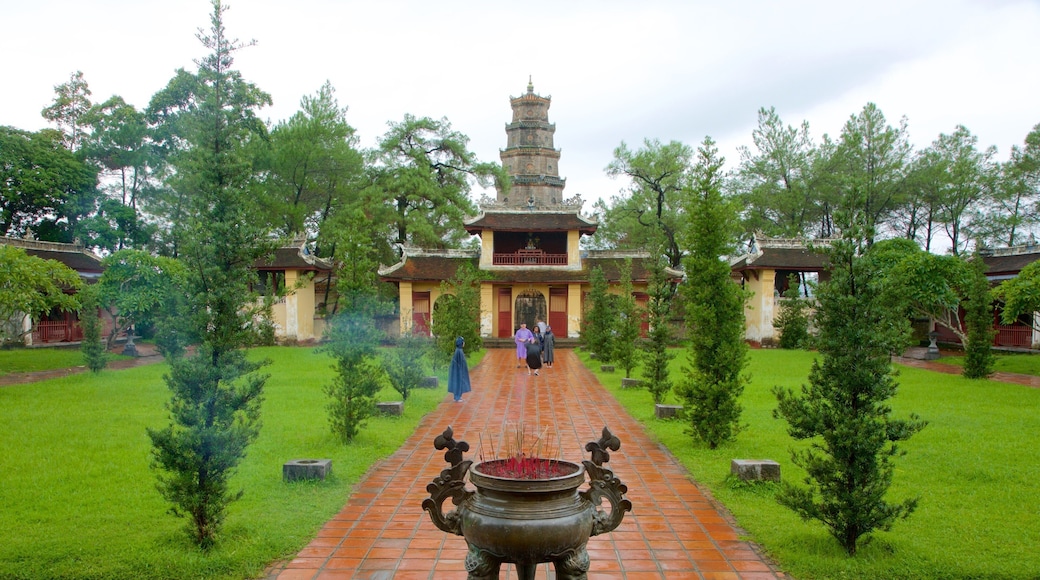
Take a cruise or a taxi ride to see the extravagant royal tombs along the south side of the river. These opulent Nguyen-era mausoleums are remarkable examples of Imperial Vietnamese design. Don’t miss the enchanting Tomb of Tu Duc, which was designed to represent a “lifetime dream” with its vast pine forest and serene lake. On the northern bank of the river is the Thien Mu Pagoda, the tallest pagoda in Vietnam.
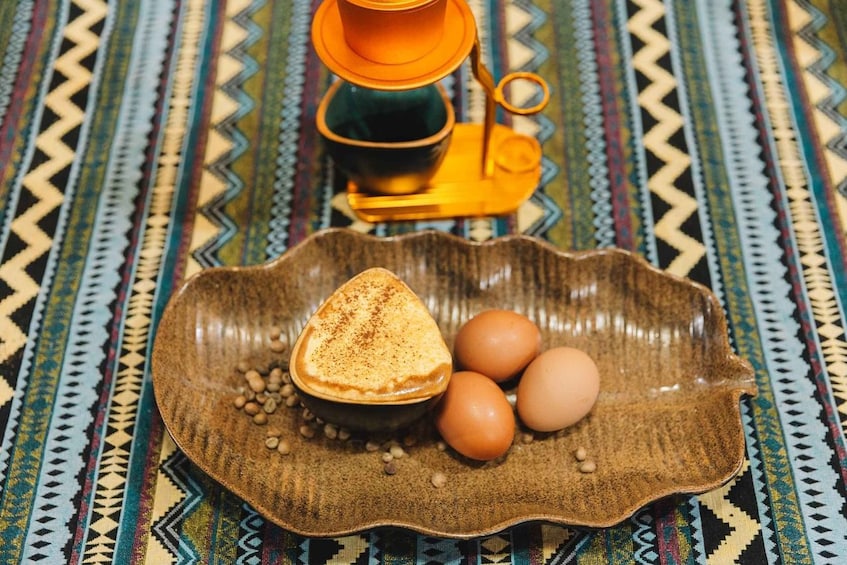
Hue is renowned for its cuisine, a legacy from the Imperial era. Treat yourself to an Imperial Banquet, and don’t miss other local specialties such as beef and pig's knuckle vermicelli and delicious savoury pancakes.
Hue is accessible from Ho Chi Minh City by road and rail, and it is just 16 kilometres (10 miles) from the airport at Phu Bai. Adventurous travellers will enjoy a motorbike tour of the city or the nearby Hai Van Pass. The surrounding area is worth exploring as well, offering charming local villages and relaxing hot springs.