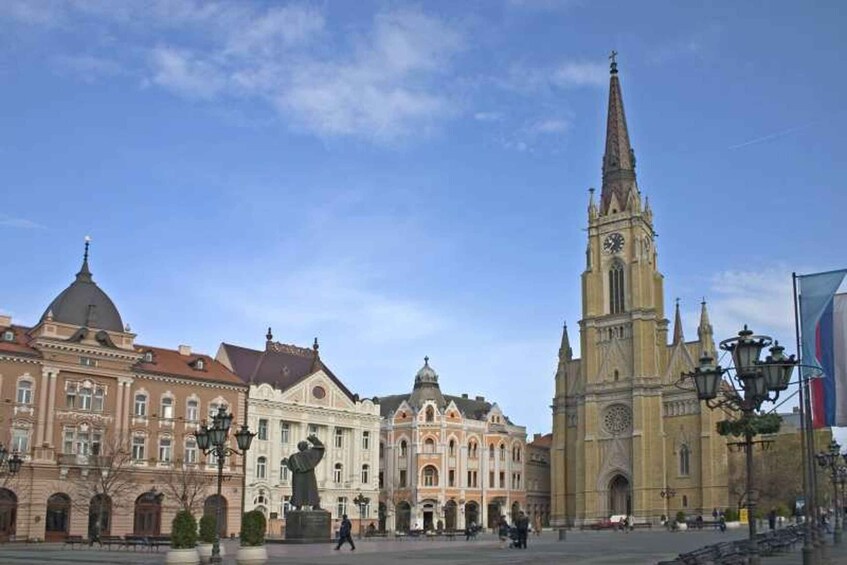
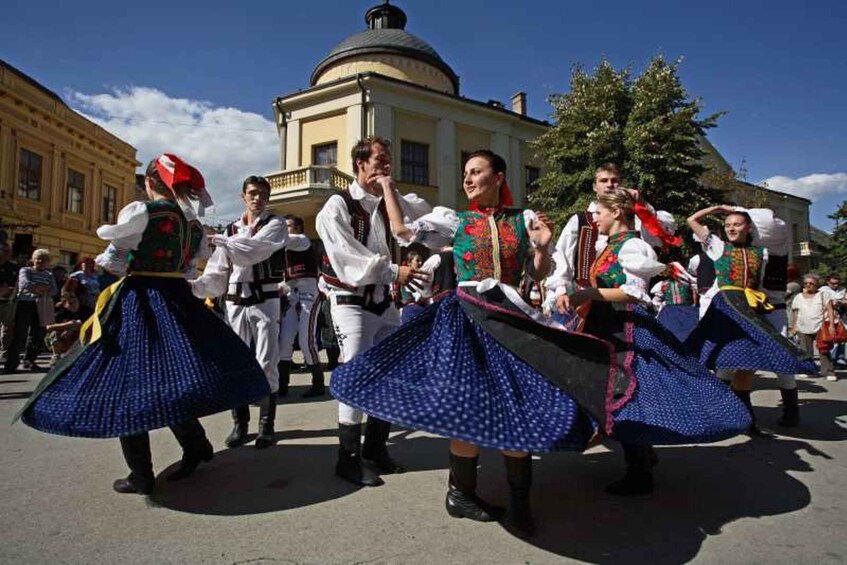
Novi Sad, known as being a heaven of tranquility and tolerance, multi-ethnic and multi-cultural, with natural elegance and old city charm. In Serbian language, the synonyms for the word sad (plantation) are: garden, yard and bed of flowers. One of the first impressions the city makes is that it is a city of well-tended beauty. Its architecture and spirit have been shaped by many a nation. Easy-going and surrounded by fertile lowland, Fruška Gora (mountain) and the Danube, this city is a pearl amongst the Serbian cities. It is also called the “Serbian Athens”, the Danube River Gibraltar and is home to south-east Europe's largest music festival, EXIT which has earned a global reputation for its diversity and cutting-edge music.
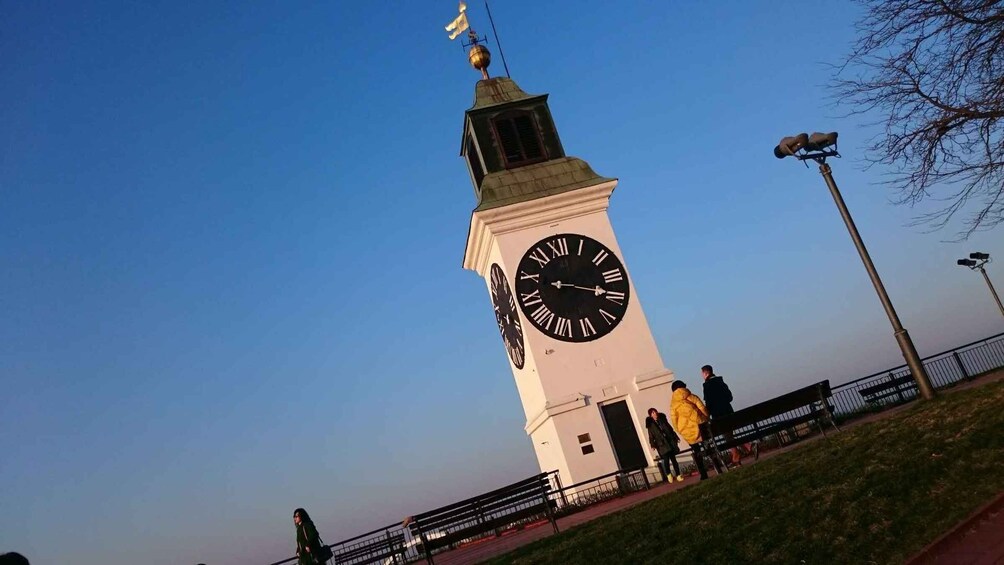
Petrovaradin Fortress – The Fortress located across the Danube overlooking Novi Sad because of its strategic role through the centuries has long been known as the “Gibraltar of the Danube”. Today it is a town museum.
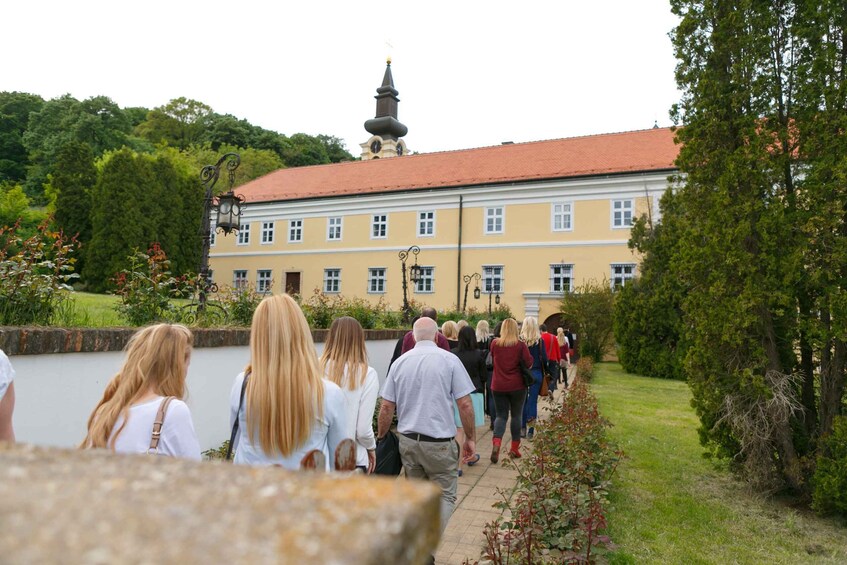
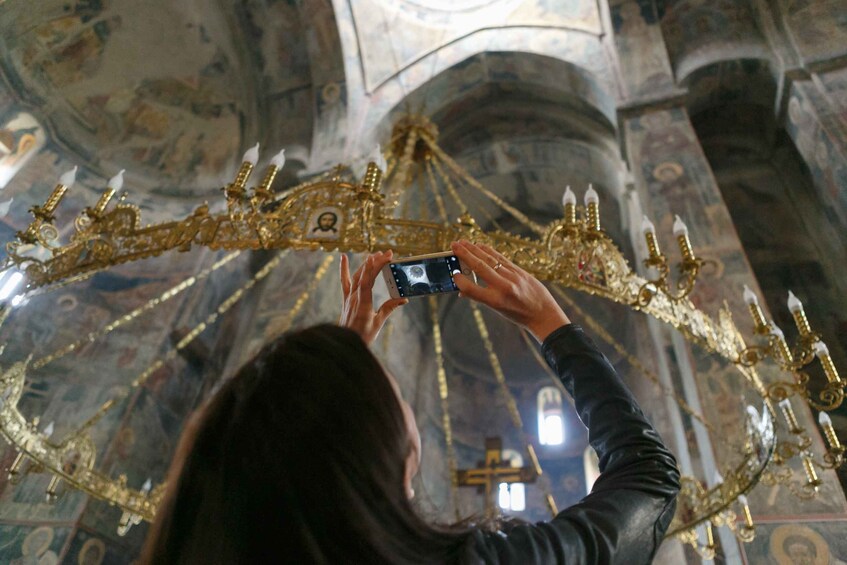
Fruška Gora is often compared to Sveta Gora (Holy Mountain) for its impressive complex of Serbian medieval monasteries of great beauty and priceless spiritual value. Seventeen monasteries on Fruška Gora make a unique collection of densely distributed shrines built during a time span from 15th until 17th century as Serbian royal families’ endowments. Monasteries on Fruška Gora are guardians of Serbian religion, tradition and customs, but they are also unique monuments of Serbian artistic creativity from the Middle Ages.
The town of Sremski Karlovci combines: history, religion, wine and beauty. It stood as the cultural, political and religious centre of the Serbian people in the Austro-Hungarian Empire for two full centuries. This baroque town is a former seat of the Serbian Orthodox Church in the Habsburg Monarchy. The town is also well known for wine, one variety being absolutely unique in the World – the Bermet.