Activités à Centre de Java
Activités, attractions et visites touristiques
Découvrez la destination suivante : Centre de Java


- Explorer les activitésExplorez des milliers d’expériences, des activités et des attractions aux excursions d’une journée et au transport.
- Réserver en toute simplicitéÉvitez les files − réservez des billets en ligne en quelques minutes pour les principales attractions avec annulation gratuite pour de nombreuses activités.
- Vous faire plaisirLes membres économisent % ou plus lors de la réservation d’activités.
Activités populaires
Visites touristiques et excursions d’un jour
Afficher les 133 activités
Yogyakarta : Sunrise Borobudur et Prambanan, avec l’option dîner
Excursions privées et personnalisées
Afficher les 74 activités
Visites de Borobudur et Prambanan au départ de la ville de Yogyakarta
Cuisine, boisson et vie nocturne
Afficher les 8 activités
Yogyakarta : promenade nocturne et visite gastronomique
Spectacles et concerts
Afficher les 8 activités
Yogyakarta : Borobudur, Mt. Merapi, Prambanan et Ramayana Tour
Cours et ateliers
Afficher les 6 activités
Cours d’impression écologique de base Yogyakarta
Endroits populaires à visiter

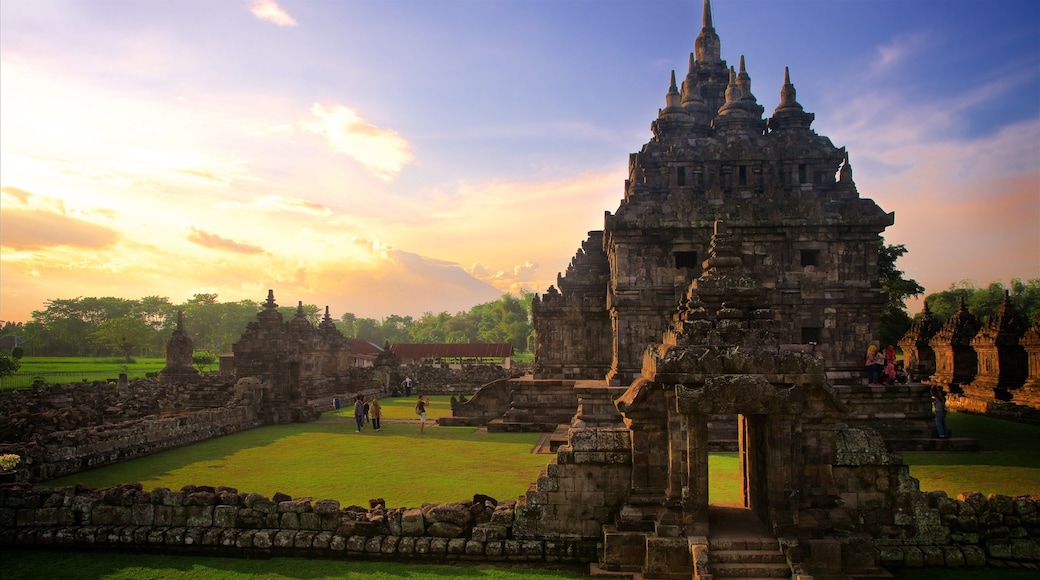
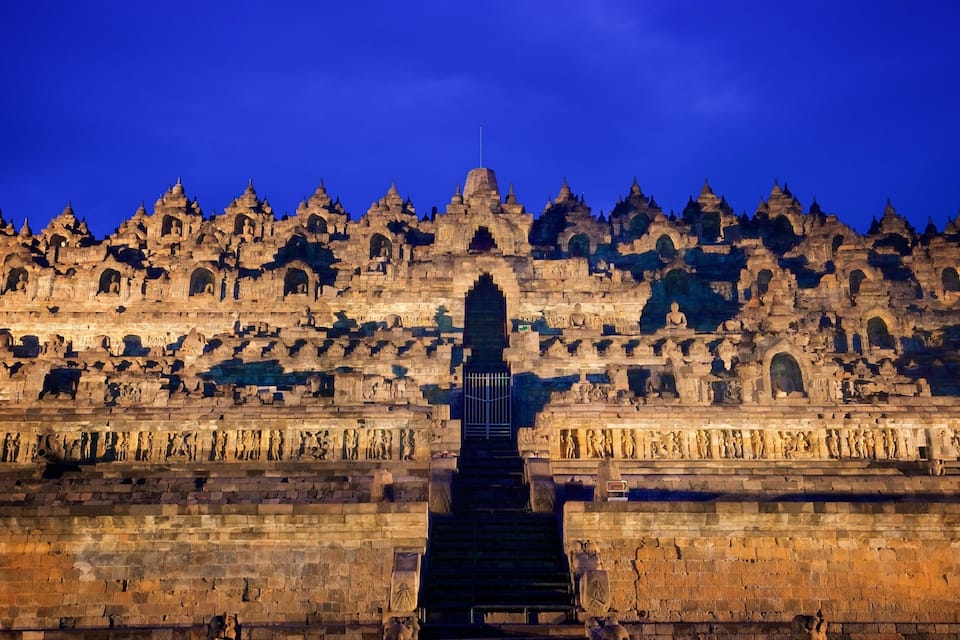
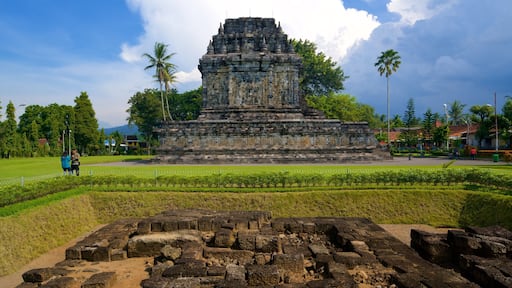
Borobudur
Borobudur est seulement l'un des endroits à voir à Borobudur, alors n'hésitez pas à explorer les autres activités à faire dans la région lors de votre voyage. Pendant votre séjour dans la région, prévoyez du temps pour visiter ses temples.

Parc Simpang Lima
Des activités de plein air vous attendent à Parc Simpang Lima, un charmant espace verdoyant de Semarang. Pendant votre séjour dans la région, prévoyez du temps pour visiter ses boutiques.

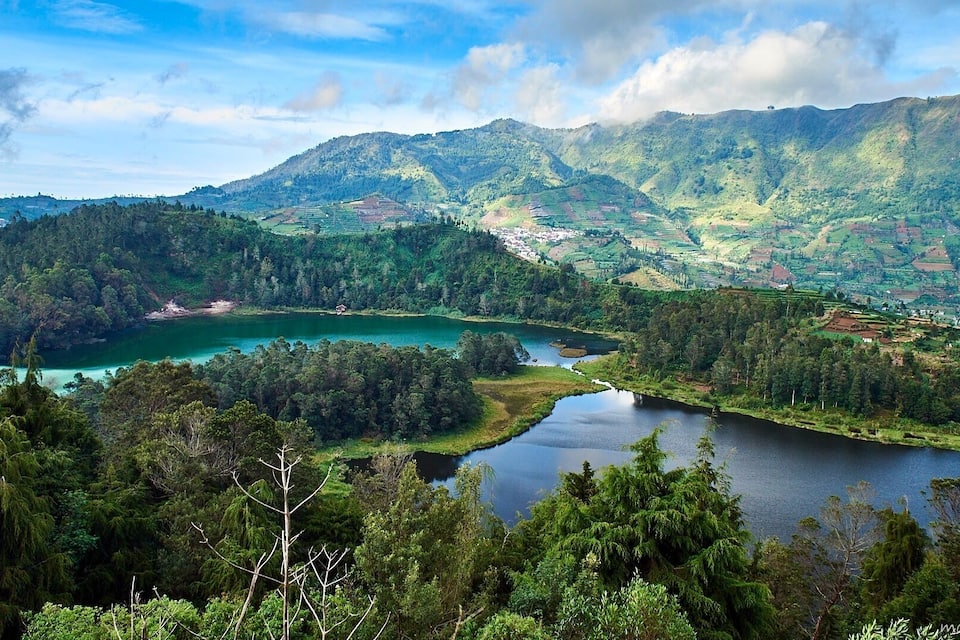
Plateau Dieng
Apprenez-en davantage sur l'histoire locale de Dieng en passant du temps à Plateau Dieng. Découvrez les levers de soleil et les sources chaudes de la région.

Colline de Punthuk Setumbu
Vous pourrez découvrir le passé de Borobudur en visitant Colline de Punthuk Setumbu. Pendant votre séjour dans la région, prévoyez du temps pour visiter ses temples.

Temple de Candi Mendut
Après avoir visité Temple de Candi Mendut, planifiez votre visite d'autres monuments et activités de temple de Mendut. Pendant votre séjour dans la région, prévoyez du temps pour visiter ses temples.

Temple de Candi Pawon
Vous pourrez découvrir le passé de Borobudur en vous arrêtant à Temple de Candi Pawon. Pendant votre séjour dans la région, prévoyez du temps pour visiter ses temples.

Parc National du Mont Merbabu
Pour des activités de plein air, explorez Parc National du Mont Merbabu, un espace vert des plus charmants à Kecamatan de Getasan. Parcourez la forêt et les jardins de la région pendant votre séjour.

Parc Alun - Alun Kota Bandung
Pour des activités de plein air, explorez Parc Alun - Alun Kota Bandung, un espace vert des plus charmants à Tegal. Prenez le temps d'aller visiter les monuments et les boutiques lors de votre séjour dans la région.
Université Muhammadiyah Surakarta (UMS)
Apprenez-en davantage sur l'histoire locale de Kartasura en passant du temps à Université Muhammadiyah Surakarta (UMS).
Autres régions avoisinant Centre de Java
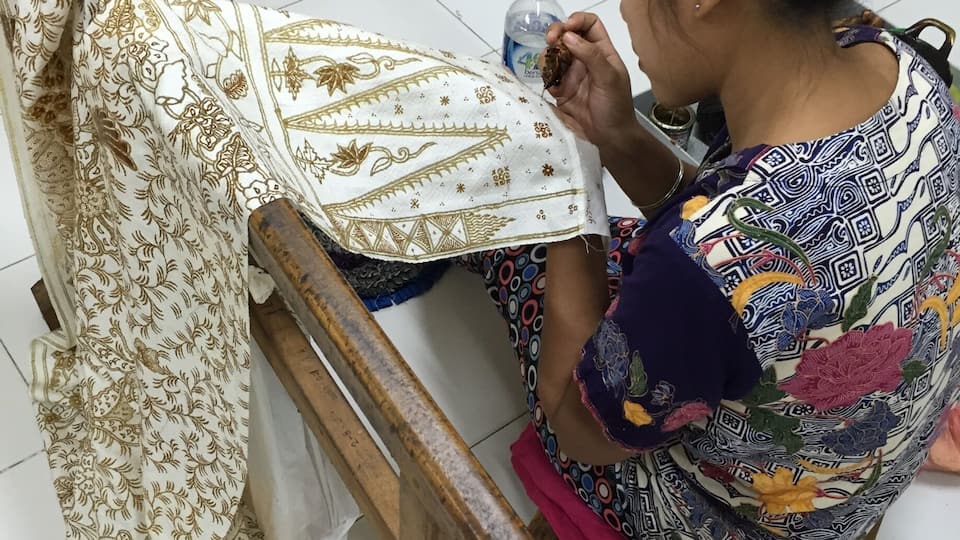
![At the museum no photos are allowed which is really unfortunate as it was well worth the visit and the guided tour is definitely not to be missed. In the museum there are even Batik made from the Dutch era which depicts stories like Little Red Riding Hood and Snow White!
I enjoyed the tour v much and at the end of the tour we were brought to this room where the artisan were working on hand drawn batik.
Below is an excerpt from Wikipedia for anyone interested in learning more about the process of batik making.
Firstly, a cloth is washed, soaked and beaten with a large mallet. Patterns are drawn with pencil and later redrawn using hot wax, usually made from a mixture of paraffin or bees wax, sometimes mixed with plant resins, which functions as a dye-resist. The wax can be applied with a variety of tools. A pen-like instrument called a canting (IPA: [tʃantiŋ], sometimes spelled with old Dutch orthography tjanting) is the most common. A canting is made from a small copper reservoir with a spout on a wooden handle. The reservoir holds the resist which flows through the spout, creating dots and lines as it moves. For larger patterns, a stiff brush may be used. Alternatively, a copper block stamp called a cap (IPA: [tʃap]; old spelling tjap) is used to cover large areas more efficiently.
After the cloth is dry, the resist is removed by scraping or boiling the cloth. The areas treated with resist keep their original color; when the resist is removed the contrast between the dyed and undyed areas forms the pattern. This process is repeated as many times as the number of colors desired.
The most traditional type of batik, called batik tulis](https://images.trvl-media.com/place/6224808/26fd1460-c65a-4c1a-9444-7a893e883ac9.jpg?impolicy=fcrop&w=350&h=192&q=medium)
Centre-ville de Solo
Vous adorerez les musées et le zoo de Centre-ville de Solo. Songez à vous arrêter à certains attraits, comme Solo Paragon Lifestyle Mall (centre commercial) ou Parc de Keprabon.

Candisari
Bien que Candisari ne comporte pas nécessairement une foule d'attraits d'envergure, Parc Simpang Lima et Centre commercial Ciputra Mall Semarang constituent deux endroits intéressants à explorer à proximité.

Semarang Barat
Semarang Barat ne comporte peut-être pas une foule d'attraits d'envergure, mais Lawang Sewu et Centre Commercial DP Semarang sont deux attractions à considérer tout près.

Banyumanik
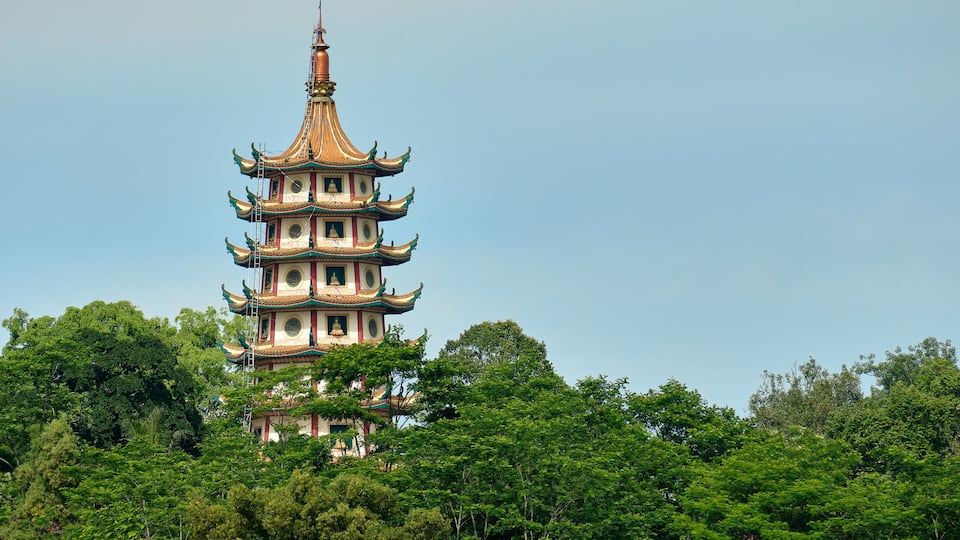
Durant votre escapade à Banyumanik, planifiez quelques arrêts pour visiter Centre commercial Transmart Setiabudi Semarang et Pagode Avalokitesvara.
![At the museum no photos are allowed which is really unfortunate as it was well worth the visit and the guided tour is definitely not to be missed. In the museum there are even Batik made from the Dutch era which depicts stories like Little Red Riding Hood and Snow White!
I enjoyed the tour v much and at the end of the tour we were brought to this room where the artisan were working on hand drawn batik.
Below is an excerpt from Wikipedia for anyone interested in learning more about the process of batik making.
Firstly, a cloth is washed, soaked and beaten with a large mallet. Patterns are drawn with pencil and later redrawn using hot wax, usually made from a mixture of paraffin or bees wax, sometimes mixed with plant resins, which functions as a dye-resist. The wax can be applied with a variety of tools. A pen-like instrument called a canting (IPA: [tʃantiŋ], sometimes spelled with old Dutch orthography tjanting) is the most common. A canting is made from a small copper reservoir with a spout on a wooden handle. The reservoir holds the resist which flows through the spout, creating dots and lines as it moves. For larger patterns, a stiff brush may be used. Alternatively, a copper block stamp called a cap (IPA: [tʃap]; old spelling tjap) is used to cover large areas more efficiently.
After the cloth is dry, the resist is removed by scraping or boiling the cloth. The areas treated with resist keep their original color; when the resist is removed the contrast between the dyed and undyed areas forms the pattern. This process is repeated as many times as the number of colors desired.
The most traditional type of batik, called batik tulis](https://images.trvl-media.com/place/6224808/26fd1460-c65a-4c1a-9444-7a893e883ac9.jpg?impolicy=fcrop&w=350&h=192&q=medium)
Banjarsari
Si vous êtes de passage à Banjarsari, prenez le temps de visiter ces deux attraits intéressants : Solo Paragon Lifestyle Mall (centre commercial) et Parc citadin Balekambang.

Vieille Ville de Semarang
Vieille Ville de Semarang vaut le détour en raison de ses boutiques, et vous pouvez vous arrêter à des attraits prisés comme Vieille Ville de Semarang et Semarang Contemporary Art Gallery.